

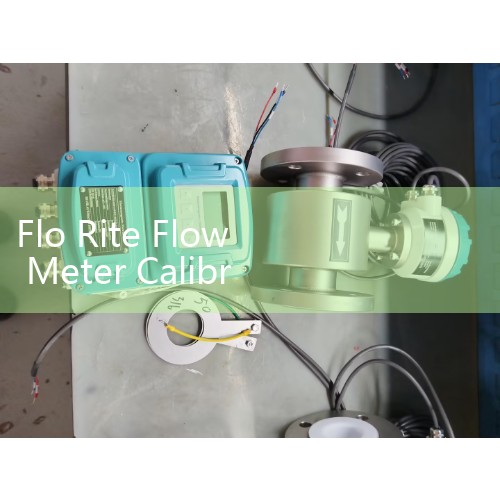
『Flo Rite Flow Meter Calibration: Adjusting Positive Displacement Meters for Oil Transfer』Related information(flow rotameter|digital flow meter|balo meter|hydraulic flow meter|volumetric meter|positive displacement meter|pitot tube flow meter|displacement meter|cfm meter|variable area flow meter|inline flow meter|differential pressure flow meter|calibrated flow meter|velocity meter|paddle wheel flow meter|oval gear flow meter|anemometer hvac|multiphase flow meter|doppler flow meter|thorpe tube flowmeter|heat flow meter)
Flo Rite Flow Meter Calibration: Adjusting Positive Displacement Meters for Oil Transfer
Quick Answer: Positive displacement meters for oil transfer need field calibration at least once per year. Flo Rite type meters and oval gear meters must be adjusted for viscosity, temperature, and wear. Send your pressure (bar), temperature (°C), pipe size (DN), and flow range to Silver Automation Instruments for a fixed calibration plan.
Why Oil Transfer Meters Drift
Oil transfer duty is different from water duty. Viscosity changes, wax deposits, and long idle periods change the internal clearance of a positive displacement meter. Here is the thing. A gear meter on diesel at 40°C will not read the same after the fluid drops to 15°C. In practice, most engineers skip this part. They trust the original factory K factor and then wonder why truck loading totals do not match the tank gauge. We have seen this on customer sites many times.
Positive displacement meters measure volume by trapping fixed pockets of liquid between gears, pistons, or rotors. Because the pockets are physical, any wear or thermal expansion changes the volume per pulse. This is why a meter that passed a water calibration may show a 1.2 percent error on heavy fuel oil.
Field Calibration Steps for Flo Rite and Similar PD Meters
The goal is simple. Compare the meter total against a known volume or mass standard. Then adjust the K factor or mechanical trim until the error is within your transfer tolerance. For oil transfer, API MPMS Chapter 4.5 and ISO 2714 are common references.
Step one. Remove air from the oil stream. Air takes up space between the rotors but does not add mass. A vapor eliminator or back pressure valve helps. Step two. Run at the normal transfer flow rate, not at a trickle. For diesel loading, this is often 400 to 800 liters per minute on a DN80 line. Step three. Compare pulses against a master meter, prover tank, or weighbridge. Step four. Adjust the K factor in the transmitter or the mechanical calibration dial if the meter has one. Step five. Repeat at low, mid, and high flow.
Specific Numbers That Matter in Oil Service
Use 4-20 mA HART output with a pulse channel for totalization. For custody transfer, target error below 0.2 percent. For internal transfer, 0.5 percent is often accepted. Temperature compensation is not optional when the line sees a swing above 15°C. A 10°C change can shift oil volume by roughly 0.7 percent. Viscosity above 100 cP usually improves sealing inside oval gear meters. Below 5 cP, slippage increases and the meter reads low.
Silver Automation Instruments Meter Recommendations
For oil transfer, we recommend oval gear p
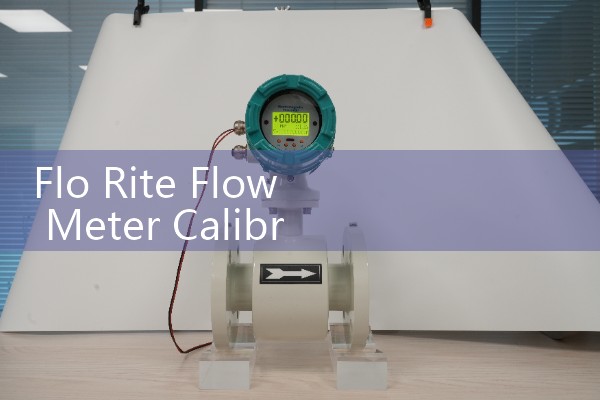
Last year a customer in Vietnam asked us to replace a Flo Rite meter on a bunker oil line. The old meter was reading 2.4 percent high. After installing a Silver oval gear meter with a pulse output and calibrating it with a 500 liter prover tank, the error dropped to 0.3 percent. The line was DN65 at 60°C and 380 cP. This is the kind of result that matters when you buy oil by the tonne.
Calibration Frequency in Different Regions
In Southeast Asia, annual calibration is common for diesel and furnace oil. In the Middle East, some sites calibrate every six months because sand and heat affect the seals. In Australia, marine fuel suppliers often align calibration with environmental compliance audits. Silver Automation Instruments supports all these schedules with field service advice and spare parts.
How to Get a Quote
Send us your pressure (bar), temperature (°C), pipe size (DN), and flow range. Tell us if the oil is diesel, heavy fuel, lube oil, or another product. Contact Silver Automation Instruments at Tel: +86-25-68650347, Whatsapp: +86-25-52155837, or WeChat: +86 15365082610. We can also check your existing Flo Rite calibration data and recommend a replacement if repair is not economical.
FAQ
How often should I calibrate a positive displacement flow meter for oil transfer?
Once per year is the baseline. High temperature lines, abrasive oils, or custody transfer service may need checks every six months.
What viscosity range works for oval gear flow meters?
Most oval gear meters handle 1 cP to 1000 cP. Accuracy improves above 10 cP because internal leakage drops.
Can I calibrate a Flo Rite meter on site?
Yes. On site calibration with a prover tank or master meter works well for oil transfer. The key is repeat flow and stable temperature.
What signal output is best for oil transfer systems?
Use pulse for total flow and 4-20 mA HART for rate and diagnostics. Both outputs together give you the best control data.
Why does my meter read high after a temperature increase?
Oil expands when heated. If the meter is not temperature compensated, the volume pulse count stays physical but the delivered mass may not match the expected standard volume. Check your density correction settings.
 Hot Product
 Related AD