

『Glue Flow Meter Sizing: Handling Extremely Viscous Polyurethane Adhesives with Oval Gear Sensors』Related information(flow rotameter|digital flow meter|balo meter|hydraulic flow meter|volumetric meter|positive displacement meter|pitot tube flow meter|displacement meter|cfm meter|variable area flow meter|inline flow meter|differential pressure flow meter|calibrated flow meter|velocity meter|paddle wheel flow meter|oval gear flow meter|anemometer hvac|multiphase flow meter|doppler flow meter|thorpe tube flowmeter|heat flow meter)
Glue Flow Meter Sizing for Extremely Viscous Polyurethane Adhesives
Quick Answer
For polyurethane adhesives above 50,000 cP, size an oval gear meter by flow range, not by pipe diameter. DN15 and DN25 oval gear sensors with PEEK or stainless steel gears handle typical glue lines from 0.3 to 40 L/min at 10 to 30 bar. Send us your viscosity in cP, temperature in °C, pipe size in DN, and flow range for a direct model match.
What is the correct oval gear meter size for polyurethane adhesive?
Start with the flow range, not the pipe diameter. A DN15 meter handles 0.5 to 12 L/min for adhesives from 50,000 to 300,000 cP. A DN25 meter handles 4 to 40 L/min. Oversize the meter body if the adhesive is filled or the line pressure is below 5 bar.
Most engineers skip this part. They copy the pipe size DN25 and order a DN25 meter. Then the pressure drop is too high and the gear set wears in three months. We have seen this on customer sites many times.
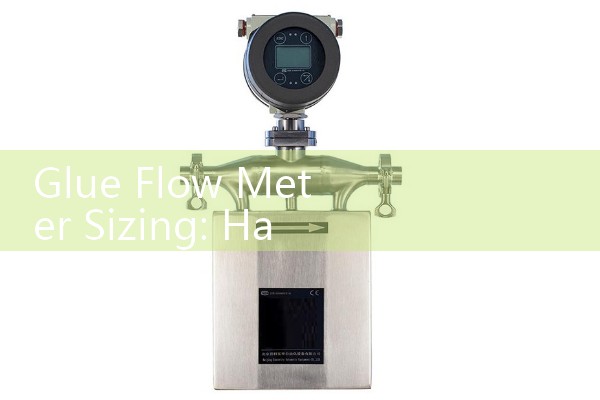
For a typical line running 2 to 15 L/min at 60 °C, select the Silver Instruments OG series DN15 oval gear meter with PEEK gears and 316L body. For 10 to 30 L/min, move to the OG series DN25 version with PTFE seals and a heating jacket option.
Why do oval gear sensors work better than coriolis or electromagnetic meters for thick glue?
Electromagnetic meters cannot read non-conductive polyurethane. Coriolis meters can read mass flow, but the pressure drop across a small tube can be very high at 200,000 cP. Oval gear meters measure volume directly with two rotating gears. The design creates less shear and gives repeatable batch volumes even when viscosity changes from 100,000 to 250,000 cP.
In practice, a gear meter is also easier to clean and cheaper to replace than a heated coriolis tube. For batch mixing of two part polyurethane adhesives, the oval gear pulse output ties directly to a PLC or batch controller.
How do temperature and back pressure change the sizing?
Polyurethane adhesives thin out when heated. A material that is 200,000 cP at 20 °C may drop to 40,000 cP at 60 °C. If your drum or tote unloader runs at 50 to 70 °C, tell us the temperature at the meter. We can use a smaller meter body because the viscosity is lower at operating temperature. But do not oversize a meter based on cold startup viscosity alone. You can start the pump slow or use a heating jacket.
Back pressure
What meter features prevent oval gear failure in polyurethane lines?
Use hardened stainless steel or PEEK gears. PTFE seals handle most polyurethane chemistry. Add a heating jacket for adhesives above 300,000 cP. Specify a pulse output for batch control. A 4-20 mA HART output is fine for continuous flow monitoring.
A paint manufacturer in Southeast Asia replaced a mass flow meter with a Silver Instruments DN15 oval gear meter for a two part polyurethane adhesive line. The line runs at 8 L/min and 55 °C. After one year the gears still hold batch tolerance of plus or minus 0.5 percent. That account now keeps one spare meter in the warehouse.
Send your pressure in bar, temperature in °C, pipe size in DN, and flow range in L/min or kg/h. Contact Silver Instruments by Tel: +86-25-68650347, Whatsapp: +86-25-52155837, WeChat: +86 15365082610.
FAQ: Glue Flow Meter Sizing for Polyurethane Adhesives
Can an oval gear meter handle 500,000 cP polyurethane adhesive?
Yes, if you select a larger body size and heat the meter. At 500,000 cP a DN15 meter may only pass 0.5 to 4 L/min. A DN25 or DN40 meter reduces pressure drop and extends gear life.
What is the minimum flow rate for a DN15 oval gear sensor with glue?
Around 0.3 L/min for medium viscosity polyurethane at 40 to 60 °C. Below this rate the gear meter output may stop or become non linear.
Do I need a heating jacket for the meter body?
For polyurethane adhesives above 300,000 cP at room temperature, yes. A heating jacket keeps the adhesive moving and prevents hardened deposits on the gear teeth.
Can I use an oval gear meter for two part polyurethane mixing?
Yes. Many customers install two oval gear meters, one for the resin side and one for the hardener side. The pulse outputs go to a PLC that controls the ratio. This is common in Southeast Asia and Latin America for panel lamination.
What output should I choose for batching and totalizing?
A pulse output or 4-20 mA HART works well. Pulse output gives direct total flow to a batch controller. 4-20 mA HART is easier for longer cable runs and diagnostic data.
 Hot News
 Related AD