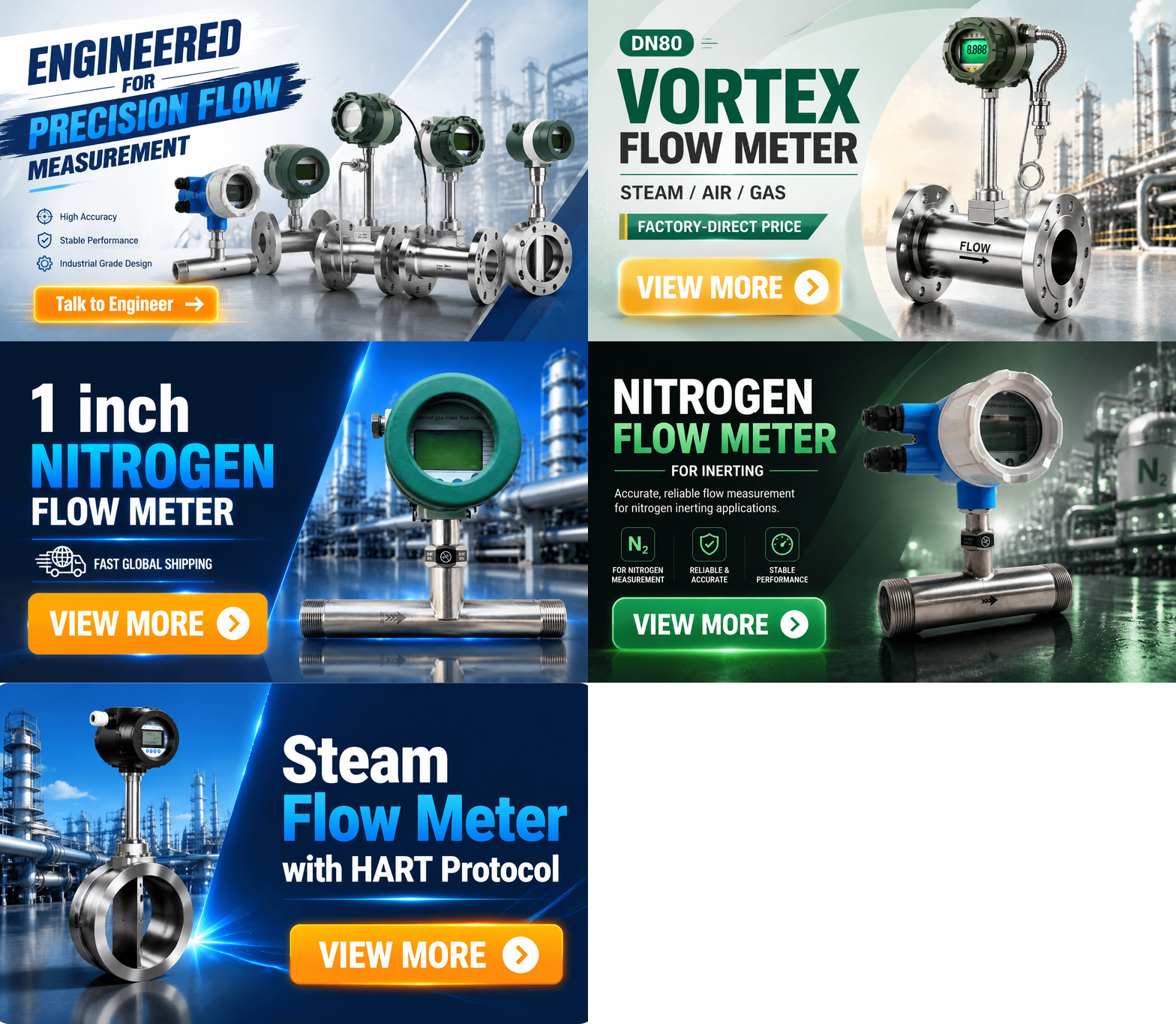


『Low Flow Sensors: Specialized Medical and Laboratory Liquid Micro-Sinks』Related information(flow rotameter|digital flow meter|balo meter|hydraulic flow meter|volumetric meter|positive displacement meter|pitot tube flow meter|displacement meter|cfm meter|variable area flow meter|inline flow meter|differential pressure flow meter|calibrated flow meter|velocity meter|paddle wheel flow meter|oval gear flow meter|anemometer hvac|multiphase flow meter|doppler flow meter|thorpe tube flowmeter|heat flow meter)
Low Flow Sensors: Specialized Medical and Laboratory Liquid Micro-Sinks
Quick Answer
Silver Instruments supplies low flow sensors for medical and laboratory liquid micro-sinks from 0.1 mL/min up to 20 L/h. Common outputs are 4-20 mA HART, pulse, and RS485 Modbus. Wetted parts in PEEK, PTFE, 316L, or borosilicate glass cover most reagent, buffer, and cleaning liquid tasks.
Why Medical and Laboratory Micro-Sinks Need Dedicated Low Flow Sensors
Medical and laboratory micro-sinks handle small liquid volumes. A single flow reading error can ruin a reagent batch or a calibration sequence. So the sensor body should be compact and the internal volume should stay below 1 mL.
Most engineers skip this part. They start with a general purpose flow meter and later find dead volume, drift, or chemical attack. In practice, a dedicated low flow sensor works better because it matches the small inner diameter and the low velocity of these liquid lines.
We have seen this on customer sites many times. A diagnostic instrument builder in Malaysia tried a DN15 electromagnetic meter for an antibody dilution line. The meter could not read 12 mL/min stable enough. After switching to a micro flow sensor with 0.2 mL/min minimum range and a PTFE body, dosing repeatability improved.
Flow Ranges and Outputs That Work in Practice
Low flow sensors for medical and laboratory micro-sinks usually work in three ranges. For reagent dosing and microfluidic circuits, choose 0.1 mL/min to 100 mL/min. For sample preparation and analyzer loops, 50 mL/min to 500 mL/min is common. For wash and waste lines, 0.2 L/h to 20 L/h fits most bench top systems.
Outputs matter when you connect to a PLC, analyzer, or data recorder. 4-20 mA HART covers analog and digital signal needs. Pulse output is better for batch dispensing because the totalizer can count exactly. RS485 Modbus works well for multi-sensor lab skids where wiring stays simple.
Do not overspec the sensor. A thermal mass flow sensor often fits low viscosity liquids under 10 cP. For higher viscosity reagents or liquids with changing density, a Coriolis mass flow sensor is a better match.
Material Selection for Liquid Micro-Sinks
Wetted material selection is more important than flow range in many lab and medical projects. The sensor body, seal, and internal tube all contact the liquid. Common choices include PEEK, PTFE, 316L stainless steel, and quartz or borosilicate glass. PEEK and PTFE handle aggressive reagents and cleaning solutions. 316L works for water, buffer, and mild solvents. Glass is often specified for high purity sample paths.
Here is the thing. Soft seals such as EPDM or FKM may leach or swell in some solvents. Check the seal material before you order. We often supply EPDM for water based buffers and perfluoroelastomer FFKM for aggressive organic reagents.
Common Applications We Support
Silver Automation Instruments has supplied low flow sensors for medical and laboratory micro-sinks in Southeast Asia, Latin America, the Middle East, and Oceania.
One common application is analyzer feed and reagent control. A lab equipment maker in Brazil needed to dose 5 mL/min of enzyme into a reaction cell. The sensor used a PEEK body, 1/8 inch OD fittings, and pulse output to the PLC.
Another application is medical diagnostic washing. A customer in Vietnam asked for a low flow sensor for a 0.9 percent saline rinse at 200 mL/min. The wetted parts were 316L and PTFE. The outpu
Silver Instruments Low Flow Sensor Options
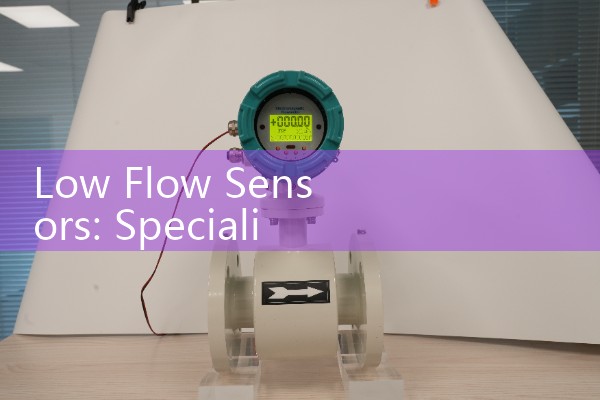
We recommend sensor types based on the liquid and range. For 0.1 mL/min to 100 mL/min low viscosity liquids, thermal mass and micro oval gear sensors work well. For 0.5 kg/h to 50 kg/h liquids with viscosity up to 100 cP, a Coriolis mass flow sensor gives mass flow, density, and temperature in one unit. For conductive water based liquids in DN1 to DN4 lines, a mini electromagnetic flow sensor is available. For pharmaceutical grade or ultrapure water, we supply ultrasonic low flow sensors with no moving parts.
Silver Instruments also provides compact pressure transmitters, PT100 temperature sensors, and paperless recorders for the same skids. This reduces the number of vendors and keeps wiring drawings simpler.
Because every micro-sink has different tube sizes, we ask for the outer diameter or DN before quoting. Typical fittings are 1/8 inch OD, 1/4 inch OD, 6 mm OD, and DN2.
How to Specify a Low Flow Sensor
A clear specification cuts quoting time. Send us your liquid name, flow range in mL/min or kg/h, pressure in bar, temperature in °C, viscosity in cP if known, tube size in OD or DN, and required output. If you have a cleaning or sterilization step, add that detail too. CIP and SIP cycles change material and seal choices.
Because many medical and laboratory lines run at low pressure, 1 to 6 bar is common. But some diagnostic wash circuits can reach 10 bar. Tell us the maximum pressure, not only the normal pressure.
FAQ
Q1: What is the smallest flow range you can measure for a laboratory liquid micro-sink?
A1: Our low flow sensors can measure from 0.1 mL/min depending on liquid density and viscosity. Confirm your minimum and maximum flow before ordering.
Q2: Which wetted materials are available?
A2: PEEK, PTFE, 316L stainless steel, and borosilicate glass are common. Seals are available in EPDM, FKM, or FFKM.
Q3: What output signals do these low flow sensors support?
A3: 4-20 mA HART, pulse, and RS485 Modbus are standard options. Some models also provide a local display.
Q4: Can the sensor handle viscous liquids or cleaning chemicals?
A4: Yes. For liquids up to about 10 cP, thermal mass or micro oval gear sensors are often suitable. For higher viscosity or changing density, use a Coriolis mass flow sensor. For aggressive cleaning chemicals, use PTFE or PEEK wetted parts and FFKM seals.
Q5: How do I get a price and lead time for a medical or lab micro-sink application?
A5: Send your flow range, liquid type, pressure, temperature, tube size, and output to Tel: +86-25-68650347, Whatsapp: +86-25-52155837, or WeChat: +86 15365082610. We will reply with a quote and lead time.
Contact and Quote Details
Silver Automation Instruments serves industrial end users and distributors in Southeast Asia, Oceania, Latin America, Africa, and the Middle East. For a low flow sensor quote for a medical or laboratory liquid micro-sink, send us these details: liquid name, flow range in mL/min or kg/h, pressure in bar, temperature in °C, pipe size (DN or OD), and output signal.
Tel: +86-25-68650347, Whatsapp: +86-25-52155837, WeChat: +86 15365082610
We will respond with sensor model options, price, and lead time for your application.
 Hot Blog
 Related AD