

『Seal Sealing Water Flow Meter Monitor: Mechanical Shaft Cooling System Alerts』Related information(flow rotameter|digital flow meter|balo meter|hydraulic flow meter|volumetric meter|positive displacement meter|pitot tube flow meter|displacement meter|cfm meter|variable area flow meter|inline flow meter|differential pressure flow meter|calibrated flow meter|velocity meter|paddle wheel flow meter|oval gear flow meter|anemometer hvac|multiphase flow meter|doppler flow meter|thorpe tube flowmeter|heat flow meter)
Seal Sealing Water Flow Meter Monitor: Mechanical Shaft Cooling System Alerts
Quick Answer: Monitoring seal water flow directly protects mechanical shaft seals from overheating and dry running. A dedicated seal water flow meter monitor with a low flow alarm relay sends an instant alert before pump damage happens. Silver Instruments supplies small bore electromagnetic flowmeters with 4-20 mA and relay outputs built for real-time shaft cooling water surveillance.
Why Mechanical Seals Need Cooling Water Flow Monitoring
Mechanical seals in centrifugal pumps depend on a thin fluid film for cooling and lubrication. This fluid is often clean water injected into the stuffing box. If the flow drops below the safe limit, the seal faces overheat within minutes. A catastrophic seal failure follows. Many end users in water treatment plants, refineries, and chemical sites have learned this the hard way.
Most pump OEM specifications list a minimum seal water flow rate. For a common shaft size, the requirement may be 2 to 5 liters per minute. Operators need a real-time flow reading plus an alarm. A mechanical shaft cooling flow monitor does both. It displays the current flow and triggers an alert if the flow falls below the set threshold. Without this alert, an operator cannot react until the pump already has damage.
The Cost of Ignoring Low Seal Water Flow
Last year a paint manufacturer in Vietnam suffered a mechanical seal failure on a transfer pump. The seal cooling water line was partially clogged. The operator noticed nothing until the pump vibrated and tripped on high temperature. The repair cost reached 5 000 USD and the production downtime was three full days. Total loss exceeded 18 000 USD. After this incident, the plant installed a Silver Instruments electromagnetic flow meter on the DN15 seal water line. They set a low flow alarm at 1.5 L/min. Since then, zero unplanned seal replacements have occurred on that pump.
Similar stories come from a sugar mill in Thailand and a wastewater plant in Kenya. In each case, a simple seal water flow monitor with relay output prevented repeated seal damage. The return on investment is usually under six months. Here is the thing: most operators only check seal water flow once per shift. A flow meter monitor checks it every second for you.
How a Seal Water Flow Meter Monitor Works
A flow sensor measures the actual seal water flow rate. The transmitter compares this value to a programmed low limit. If flow drops below the limit, an internal relay changes state. This relay can sound a horn, flash a beacon, or trigger the pump to stop. Some systems also provide a 4-20 mA signal for trending and remote SCADA alarms.
Not all flow meter types work well for seal water. Seal water is clean, conductive, and often at low flow and low pressure. Turbine meters can stick if the water contains fine particles. Variable area meters give a visual reading but no electronic alarm. In practice, electromagnetic flow meters are the most popular choice. They have no moving parts, no pressure drop, and measure down to very low flows. A magmeter with a DN10 or DN15 sensor covers most seal water applications.
Silver Instruments Flow Meter for Seal Water Applications
Silver Automation Instruments builds small line size electromagnetic flow meters specifically for auxiliary cooling and sealing water loops. Our common configuration for mechanical shaft cooling includes:
A DN15 sensor with PTFE liner and 316L electrodes. Flow range from 0.1 to 10 L/min with 0.5 percent accuracy. The remote or compact transmitter outputs a 4-20 mA HART signal plus two configurable relays. One relay ha
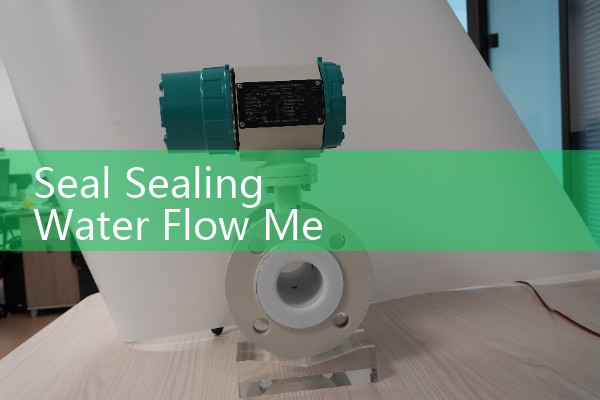
We also provide a local display that shows real-time flow, totalized volume, and alarm status. Operators can set alarm thresholds directly through the keypad without a handheld communicator. For remote installations, we offer a wall mount version with a cable length up to 50 meters.
Typical Installation and Setup Tips
Most engineers skip this part, but good installation makes a big difference. Always install the flow sensor in a full pipe section. The seal water return line often runs partially full, so place the meter on the supply side. Provide 5 DN straight inlet and 3 DN straight outlet pipe lengths to maintain accuracy. Ensure proper grounding, especially with plastic pipes. Use grounding rings if needed.
Set the low flow switch point with some margin. For a pump that requires 3 L/min, set the alarm at 2 L/min to allow minor system fluctuations. Do not set it right at the minimum requirement, because momentary dips can cause nuisance trips. We have seen this on customer sites many times. A 30 percent safety margin works well. Also, configure the alarm delay to 2 to 5 seconds to avoid false triggers from slugs of air or sudden valve movements.
Frequently Asked Questions
Can I use a mechanical flow switch instead of a flow meter monitor?
Mechanical switches are cheaper but they only give an on/off signal at one set point. They do not show real flow rate or trend. Many users later upgrade to a flow meter with analog output to see actual water usage and detect gradual clogging. A meter with a relay combines both functions.
What is the smallest pipe size you offer for seal water?
We supply DN6 and DN10 sensors for very low flow applications down to 0.05 L/min. The common size is DN15, which fits most 1/2 inch or 3/8 inch tubing after compression fittings.
Does the meter need external power?
Our standard electromagnetic flow meters require 24 V DC or 220 V AC supply. For sites without easy power, we also provide battery operated insertion flow meters, but for seal water we recommend the electromagnetic type for its reliability.
How do I send the alarm signal to my existing PLC or DCS?
The meter provides a passive relay output (dry contact). You wire it to a digital input on your PLC. Simultaneously the 4-20 mA signal gives continuous flow data for trending. No extra signal converter is needed.
Can the meter handle high temperature seal water?
The standard PTFE liner sensor handles up to 80 °C continuous fluid temperature. For higher temperatures, we supply a PFA liner version rated for 120 °C. Please specify your maximum operating temperature when requesting a quote.
Get a Quote and Technical Support for Your Seal Water Flow Meter Monitor
Tell us your actual seal water parameters and we will recommend the correct meter model. Send your water pressure (bar), temperature (°C), pipe size (DN), and required flow range. If you need ATEX or SIL certifications, mention that too. We ship to Southeast Asia, Oceania, Latin America, Africa, and the Middle East. Our technical team provides wiring diagrams and startup support in English, Spanish, and Portuguese.
Contact Silver Automation Instruments today:
Email: [email protected]
Tel: +86-135-1213-1526
Whatsapp: 86-135-12131526
WeChat: +86 13512131526
 Hot Blog
 Related AD