

 Current position > Product detail
『Flomec Flow Meter Calibration Factor: Step-by-Step Programming for K-Factor Accuracy』Related information(flow rotameter|digital flow meter|balo meter|hydraulic flow meter|volumetric meter|positive displacement meter|pitot tube flow meter|displacement meter|cfm meter|variable area flow meter|inline flow meter|differential pressure flow meter|calibrated flow meter|velocity meter|paddle wheel flow meter|oval gear flow meter|anemometer hvac|multiphase flow meter|doppler flow meter|thorpe tube flowmeter|heat flow meter)
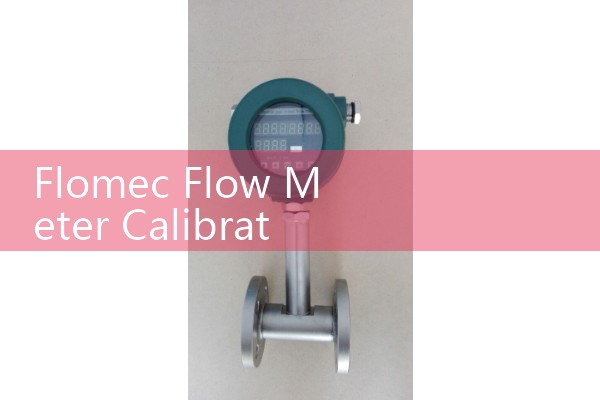
Flomec Flow Meter Calibration Factor: Step-by-Step Programming for K-Factor Accuracy
Quick Answer: The K-factor on a Flomec flow meter tells the display how many pulses equal one gallon or one liter. You set this value in the calibration menu so the meter can convert pulse frequency into flow rate. Wrong K-factor is the main reason we see reading errors on fuel and water batching systems in Southeast Asia and Africa.
What the Flomec K-Factor Actually Does
The Flomec flow meter calibration factor is the K-factor stored in the display. A Flomec flow meter uses a turbine or positive displacement element. Each rotor blade pass sends one pulse. The K-factor is the number of pulses per unit volume. A 1 inch Flomec diesel meter may have a K-factor near 32.00 pulses per liter. That number changes with pipe size, rotor condition, and liquid viscosity.
In practice, most engineers treat the K-factor as fixed. But we have seen a customer in Vietnam run a Flomec water meter with diesel without changing the K-factor. The result was a 4 percent over-read on a 1000 liter tank fill by 40 liters.
Tools You Need Before Programming
Have the meter manual or calibration tag ready. Most Flomec meters ship with a tag that lists the default K-factor. Also check the display manual because key sequences differ by model. If the meter has 4-20 mA HART output, confirm that pulse output is enabled. The K-factor only affects pulse scaling and the local totalizer.
Step-by-Step K-Factor Programming on Flomec Displays
The common procedure works on many Flomec digital displays.
1. Press the CAL button for 3 seconds. The display shows a flashing zero or setup code.
2. Enter the password if prompted. Many Flomec displays default to 0000.
3. Scroll to KFAC, K-FACTOR, or PPU. Use the up and down arrows to select it.
4. Press enter and adjust the digits one by one. A Flomec 3 inch meter on light fuel oil may need 2.65 pulses per gallon.
5. Press enter again and confirm STORE or SAVE.
6. Run a known volume through the meter. For a 55 gallon drum test, compare the display total. If the reading is high, reduce the K-factor. If the reading is low, increase the K-factor.
Most engineers skip the verification step. We do not recommend that. A 2 percent error on a 20,000 liter per day fuel terminal adds up fast.
How to Calculate the K-Factor
Divide the number of pulses by the actual volume. If the meter sends 158 pulses for 5 liters, the K-factor is 31.6 pulses per liter. Because turbine meters are sensitive to viscosity in cP, a Flomec meter calibrated for water at 1 cP will shift when you use 20 cP oil.
For larger pipe sizes like DN50 or DN80, the K-factor is usually lower because the flow volume per pulse is higher. Write the new K-factor on the meter tag. This habit prevents
Common Calibration Mistakes We See on Customer Sites
Here is the thing. One mistake is using the default K-factor after changing the rotor or bearings. We have seen this on customer sites many times. A new rotor in an old body will not always match the original calibration sheet.
Another mistake is confusing gallons and liters. Some Flomec displays ask for pulses per gallon, some ask for pulses per liter. A customer in the Philippines mixed these units on a diesel dispensing trailer. The total was wrong by a factor of 3.785 because one gallon equals 3.785 liters. So check the display unit before programming.
Flomec vs Silver Instruments Flow Meters for Industrial Jobs
Flomec is a solid option for light fuel, water, and some chemical batching. For corrosive fluids, high accuracy custody transfer, or viscous food products, Silver Automation Instruments supplies electromagnetic flow meters, oval gear flow meters, ultrasonic flow meters, and Coriolis mass flow meters.
An oval gear flow meter works well on diesel and heavy oil because viscosity has less effect on the measurement chamber. An electromagnetic flow meter is better for wastewater with solids. A Coriolis meter measures mass flow in kg/h and handles liquids with changing density.
If you need a Flomec replacement or a more robust process meter, send us your pipe size in DN, flow range, pressure in bar, temperature in °C, liquid type, and ATEX zone if applicable. We can recommend a model with the right calibration factor or supply a meter pre-calibrated to your fluid.
FAQ
What is a typical K-factor for a 1 inch Flomec diesel meter? A common range is 30 to 35 pulses per liter or about 115 to 135 pulses per gallon. Check the tag on your meter because rotor differences shift this number.
Can I use a Flomec water meter K-factor for diesel? No. Viscosity and density differences affect the turbine response. Run a batch test with the actual fluid and calculate the new K-factor.
How do I reset a Flomec display to factory calibration? Enter the setup menu and look for RESET or DEFLT. Some models require holding two arrow buttons during power up. The exact method depends on firmware.
Why does my Flomec totalizer read high only at low flow? This often points to bearing drag or a worn rotor at low speed. Test at two flow rates before changing the factor.
Does Silver Instruments calibrate flow meters for Flomec replacements? Yes. We can pre-calibrate many oval gear, electromagnetic, and Coriolis meters for your fluid and flow range.
For technical help with flow meter calibration or a quote for a replacement meter, contact Silver Instruments.
Tel: +86-135-1213-1526
Whatsapp: 86-135-12131526
WeChat: +86 13512131526