

 Current position > News detail
『Raven Eye Flow Meter: Pulsar Non-Contacting Radar Open Channel Monitors』Related information(flow rotameter|digital flow meter|balo meter|hydraulic flow meter|volumetric meter|positive displacement meter|pitot tube flow meter|displacement meter|cfm meter|variable area flow meter|inline flow meter|differential pressure flow meter|calibrated flow meter|velocity meter|paddle wheel flow meter|oval gear flow meter|anemometer hvac|multiphase flow meter|doppler flow meter|thorpe tube flowmeter|heat flow meter)
Raven Eye Flow Meter: Pulsar Non-Contacting Radar Open Channel Monitors
Quick Answer
The Raven Eye flow meter from Pulsar Measurement uses non-contacting radar to measure surface velocity and flow in open channels and partially filled pipes. Silver Instruments supplies this radar open channel monitor for water and wastewater plants in Southeast Asia, the Middle East, Latin America and Africa. You get reliable readings without sensors touching sludge, rags or debris.
Most engineers ask us one thing before buying a radar open channel monitor. Will it keep working in dirty water? The answer is yes because the Raven Eye sits above the flow. There is no submerged probe to clean. The radar sensor does not touch sludge or rags. That alone puts it in a different class compared to magmeters or Doppler probes in raw sewage.
How the Pulsar Radar Monitor Works
The Raven Eye uses radar to track surface velocity. A separate level sensor measures liquid height. The flow computer combines velocity and level with the channel shape to calculate flow rate. No sensor sits in the water. Because the unit is non-contacting, it is less affected by grease, scum, rags and settled solids.
In practice this matters most at the inlet works of a sewage treatment plant. A customer in Vietnam ran a submerged Doppler sensor for six months. Rags blocked the sensor every 10 to 14 days. After switching to a Pulsar non-contacting radar monitor, the cleaning interval moved to quarterly inspections only.
Typical Applications We See
We quote Raven Eye flow meters for open channels, flumes, weirs, stormwater drains and partially filled concrete pipes. The main industries are municipal wastewater, food and beverage effluent, abattoir discharge and mining runoff. One customer in Malaysia used a Raven Eye on a Parshall flume in a palm oil mill effluent pond. The radar sensor stayed clean while the previous submerged probe clogged with fat and sludge.
Another common site is a desalination plant outfall in the Middle East. The water is saline and highly conductive. Contact-type electromagnetic sensors work in that environment but the installation requires shutting down the channel. A non-contacting radar monitor can be installed above the flow during normal operation.
Technical Details That Affect Your Quote
Before you send an inquiry, collect these details. Channel width, channel shape, liquid type, minimum and maximum flow rate in m3/h, solids content, and power supply. For most Raven Eye systems the velocity range is around 0.2 m/s to 6.5 m/s. Level input comes from an ultrasonic or radar level transmitter. Output is normally 4-20 mA HART
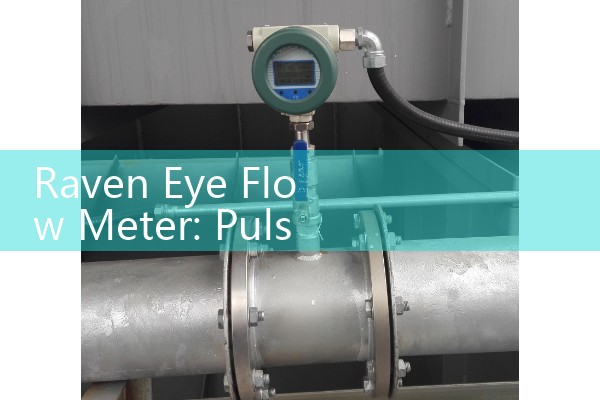
The sensor is rated for tough outdoor use. Many installations run on 12 to 24 V DC with a small solar panel. The enclosure protection is often IP68. Accuracy depends on the channel survey and the level sensor, but a correctly installed system can hold plus or minus 3 to 5 percent of reading. We always ask for a site photo and channel dimensions before offering a firm price.
Why This Radar Monitor Sells in Remote Sites
Remote plants do not want a flow meter that needs weekly attention. Non-contacting radar gives them that. No purging air. No contact with the water. There are no moving parts in the flow. In a site in Kenya, a contractor installed a Raven Eye above an irrigation return channel. The site had no grid power. A 50 W solar panel and a 100 Ah battery were enough because the radar sensor draws low current.
The main failure point in open channel flow measurement is not the electronics. It is physical fouling. Once you remove that failure point, the maintenance schedule drops sharply. We have seen this on customer sites many times.
Ordering and Quote Request
Tell us your channel width, liquid type, flow range, and whether you have a flume or weir. Also send your power supply voltage and panel availability. We will quote a Pulsar Raven Eye radar monitor with the right controller and accessories. Send us your channel width, flow range in m3/h, liquid type and power supply voltage for a firm price.
Contact Silver Instruments at Tel: +86-135-1213-1526. For fast quotes use WhatsApp: 86-135-12131526 or WeChat: +86 13512131526. You can also send the inquiry through flow-meter.com.au.
FAQ
Q: Can the Raven Eye measure flow in a partially filled pipe?
Yes. Provide the pipe diameter, slope and channel shape. The flow computer calculates flow using velocity and level.
Q: Does the radar sensor need contact with the water?
No. The non-contacting radar sensor sits above the water surface. This reduces fouling and cleaning.
Q: What outputs are available?
Common options are 4-20 mA HART, Modbus RTU and pulse output. The Pulsar controller model determines the final output set.
Q: Can this monitor work with a Parshall flume?
Yes. Parshall flumes, rectangular weirs and V-notch weirs are common primary devices. Send the flume dimensions and flow range for a quote.
Q: What are the typical power options?
Most installations use 12 to 24 V DC. Remote sites often add a solar panel and battery. Tell us your site power supply.