

 Current position > News detail
『Oil Flow Meter Digital Display: Selecting Local Interfaces for Harsh Environments』Related information(flow rotameter|digital flow meter|balo meter|hydraulic flow meter|volumetric meter|positive displacement meter|pitot tube flow meter|displacement meter|cfm meter|variable area flow meter|inline flow meter|differential pressure flow meter|calibrated flow meter|velocity meter|paddle wheel flow meter|oval gear flow meter|anemometer hvac|multiphase flow meter|doppler flow meter|thorpe tube flowmeter|heat flow meter)
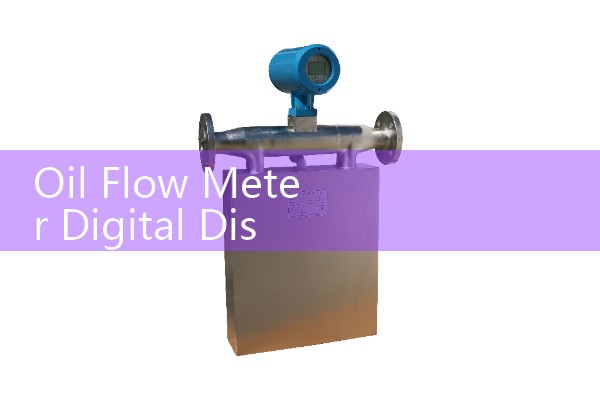
Oil Flow Meter Digital Display: Selecting Local Interfaces for Harsh Environments
Quick Answer: Oil flow meters with a local digital display let operators read flow rate and total directly at the measuring point in tough industrial spots. You skip the separate remote transmitter, avoid wiring faults, and get instant visuals even during power dips. Silver Instruments supplies oval gear, Coriolis, and turbine oil flow meters with ruggedized local readouts that work in desert heat, sea spray, and explosive atmospheres.
Why Local Digital Displays Keep Oil Measurement Reliable
In many oil handling sites the flow meter sits on a skid under direct sun. A remote panel in an air conditioned control room adds cost and a single wiring failure stops data. A local digital display built into the meter head removes that weak point. Operators can walk up to the meter during shift rounds, read instantaneous kg/h or L/min, and check totalized flow without radio links or long cable ducts.
We have seen this on customer sites across Southeast Asia many times. A lubricant blender in Thailand ran their oval gear meter with a remote display for two years. Frequent signal drop during the rainy season forced them to replace cable glands and connectors. After switching to a local display version of the same meter, the audit failures stopped.
Four Hard Lessons from Harsh Oil Environments
Before you pick a display, think about what kills electronics around oil circulation loops. First, high ambient temperature. An outdoor skid in the UAE often reaches 65 °C in August. A standard LCD screen will turn black. We use wide temperature LCD modules rated to 70 °C with automatic contrast adjustment.
Second, moisture and salt. On a floating production storage and offloading vessel, salt fog creeps into every unsealed opening. A local display must have an IP66 or IP67 aluminum or stainless steel housing with double O ring seals. We also apply a conformal coating to the PCB inside.
Third, flammable gases. In an oil terminal near Lagos, Nigeria, the metering area is classified ATEX Zone 1. A local display with an Ex d flameproof enclosure is mandatory. Our oval gear oil flow meters with local display carry ATEX and IECEx certification for gas groups IIA and IIB.
Fourth, vibration from pumps and compressors. Standard solder joints fail after months of continuous vibration. We pot the display electronics in a vibration damping compound and use crimped connectors. This small detail extends mean time between failures past five years.
Parameters a Local Digital Display Must Show
Engineers and maintenance teams do not want to page through ten menus. In practice, the local display should show two values at startup: instantaneous flow rate and accumulative total. Our default configuration for oil flow meters shows flow in kg/h or L/min and total in kg or L. Through a magnetic button or an optical touch key you can switch to density for Coriolis meters, temperature, or alarm status without opening the housing. Most engineers skip the additional screens unless there is a batch fault.
We also add a backlight that activates on a magnetic switch for night inspections. This has become a must for terminals in remote Western Australia w
Silver Instruments Oil Meter Ranges with Local Digital Displays
We offer three oil flow meter principles with a local digital head that suit harsh conditions.
First, the OGM D series oval gear positive displacement meter. This meter handles oil viscosity from 1 cP to 1000 cP. It covers pipe sizes DN10 to DN80. The local display is a non resettable totalizer with a 6 digit LCD, 8 mm digit height, and loop powered 4-20 mA HART output. A paint manufacturer in Vietnam switched to this meter last year after their turbine meter failed measuring high viscosity alkyd resin at 40 °C. The direct display let them set batch stops on the spot.
Second, the CMF S series Coriolis mass flow meter with integrated transmitter and local display. This measures mass flow, density, and temperature simultaneously. We configure it for fuel oil bunkering in Singapore and Lagos where density correction matters for custody transfer. The display shows kg/h and total mass, plus a density reading in g/cm³. A stainless steel IP67 enclosure and Ex d approval allow direct mounting on a bunker barge deck.
Third, for lower cost clean oil applications we supply a turbine flow meter with a local readout. It is not suitable for dirty or viscous oil above 30 cP. But for diesel transfer in mining operations in Chile, this turbine meter with a battery powered local display saves install time. It shows L/min and a resettable partial total.
FAQ
1. Can I get a local digital display that is ATEX Zone 1 certified for oil vapor areas?
Yes. Our OGM D and CMF S series with local display come with Ex d or Ex ia certifications for ATEX Zone 1 and IECEx. The display enclosure is flameproof and you can view the readings through a tempered glass window.
2. What happens if the display fails, do I lose flow measurement?
The loop powered 4-20 mA and pulse outputs still work independently. The local display is a parallel readout circuit. Your DCS or PLC will keep receiving flow data even if the LCD segment fails.
3. How do I clean the display glass in a dusty environment without opening the housing?
The display window uses a scratch resistant mineral glass. You can wipe it with a dry cloth. No need to open the enclosure, which keeps the Ex integrity intact.
4. We need to measure oil flow at 80 °C fluid temperature, will the display survive?
The fluid temperature is separate from the ambient temperature at the display. With a distance piece or remote adapter the display can operate up to 70 °C ambient. We also provide high temperature designs for fluid up to 150 °C. Send us your exact temperature to select the correct sensor and display combination.
5. Do you offer a local display that can be rotated for better reading angle?
Yes. Our local display head can be rotated in 90 degree steps after loosening a few screws. This helps when the pipe is vertical or the meter is installed upside down.
Send us your oil type, viscosity in cP, pipe size in DN, pressure in bar, temperature in °C, and flow range. We will quote a flow meter with a local digital display that fits your site, whether it is a desert terminal, an FPSO, or a paint factory in a humid zone.