

 Current position > Product detail
『What is Average Peak Flow Meter Reading: Baseline Demographic Target Ranges』Related information(flow rotameter|digital flow meter|balo meter|hydraulic flow meter|volumetric meter|positive displacement meter|pitot tube flow meter|displacement meter|cfm meter|variable area flow meter|inline flow meter|differential pressure flow meter|calibrated flow meter|velocity meter|paddle wheel flow meter|oval gear flow meter|anemometer hvac|multiphase flow meter|doppler flow meter|thorpe tube flowmeter|heat flow meter)
What is Average Peak Flow Meter Reading: Baseline Demographic Target Ranges
Quick Answer: Average peak flow meter readings shift by industry demographic, fluid density, and pipe diameter. For water lines in DN50 carbon steel, the baseline peak range sits at 20 to 30 m³/h. For natural gas at 10 bar in DN80, the average peak flow reading falls between 700 and 1100 kg/h. Silver Instruments supplies Coriolis, vortex, and thermal mass flow meters to track these values across oil and gas, chemical, water, and food plants.
What Is an Industrial Peak Flow Meter Reading
In a process plant, a peak flow meter reading is not about lung function. It is the highest instantaneous flow rate captured by the instrument during a batch, a pump start, or a wash cycle. Engineers log these peaks to size relief valves, check pump curves, and verify that the line runs within design limits. Any flow meter with a peak hold function or a fast sample rate can do this job. We often see vortex flow meters on steam headers, Coriolis mass flow meters on reactor feed lines, and electromagnetic flow meters on wastewater discharge pipes. All can record the peak value and transmit it via 4-20 mA HART to a DCS or paperless recorder.
Baseline Demographic Target Ranges by Industry
Here is the thing. A baseline demographic is not about people. In our work, it means the cluster of end users and application types across different regions. We have compiled average peak flow readings from customer sites in Southeast Asia, the Middle East, Latin America, and Africa. These are real numbers pulled from field service reports and commissioning sheets, not textbook values.
Water and wastewater in Southeast Asia: A DN100 electromagnetic flow meter on a treated effluent line in a Malaysian plant showed an average peak of 210 m³/h during the morning flush. The baseline target for this demographic (water utilities in Malaysia, Vietnam, and Indonesia) runs from 150 to 250 m³/h peak at 2 bar and 30 °C. For sludge return lines in a Thai plant, a DN50 electromagnetic meter gave an average peak of 32 m³/h with a baseline range of 25 to 40 m³/h.
Oil and gas in the Middle East: A DN40 Coriolis mass flow meter on a light crude oil line (density 850 kg/m³, viscosity 15 cP) at a Saudi Arabian gas-oil separation plant recorded an average peak mass flow of 52 000 kg/h. The baseline target range for such demographic (upstream oil in Saudi Arabia, Oman, and Kuwait) is 48 000 to 58 000 kg/h at 35 bar and 65 °C. On the gas side, a DN80 vortex flow meter on a 12 bar natural gas line in an Omani LNG facility gave an average peak reading of 950 kg/h. The normal baseline bracket is 800 to 1100 kg/h.
Chemical processing in Latin America: A paint manufacturer in Brazil used a DN15 Coriolis meter for solvent dosing. The average peak flow was 420 kg/h for a fluid with 0.8 cP viscosity. Baseline range over the batch was 380 to 450 kg/h. A Chilean copper mining solvent extraction plant monitored organic phase flow with a DN25 vortex meter. Average peak reading: 2800 L/h. Baseline target: 2500 to 3000 L/h at 4 bar and 25 °C. ATEX Zone 1 certification was mandatory here.
Food and beverage in Africa: A dairy in Kenya measured CIP return flow with a DN40 electromagnetic flow meter. Peak readings averaged 18 m³/h during the caustic cycle at 70 °C. The target baseline range was 15 to 22 m³/h with a conductivity of no less than 5 µS/cm. A brewery in Nigeria measured wort transfer with a DN50 sanitary Coriolis meter. Average peak flow was 28 000 kg/h. Normal baseline: 24 000 to 30 000 kg/h.
How Engineers Use Average Peak Flow Data
Most engineers skip th
Choosing a Flow Meter for Peak Flow Monitoring
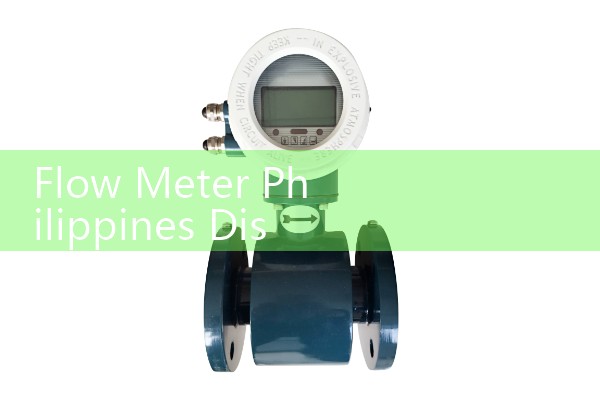
You need an instrument with a fast update rate and a robust peak hold function. A Coriolis mass flow meter from Silver Instruments works well for liquid mass flow peaks from 0.1 kg/h up to 600 000 kg/h. The internal DSP samples at 20 Hz, so even short peaks are captured. For gas and steam, we usually recommend a vortex flow meter with integrated PT100 temperature compensation. Model range covers DN15 to DN300, pressure up to 40 bar, and temperatures up to 250 °C. The 4-20 mA HART output brings the peak value straight to your PLC. For HVAC air and natural gas submetering, our thermal mass flow meters have a peak log function and direct mass flow reading without pressure and temperature compensation.
Send us your fluid name, pressure (bar), temperature (°C), pipe size (DN), and the expected peak flow range. We will return a specific model recommendation and a price quote within one working day. Email [email protected]. You can also call us at +86-135-1213-1526 or message on WhatsApp at 86-135-12131526. WeChat is available at +86 13512131526. Silver Instruments ships to Southeast Asia, Oceania, Latin America, Africa, and the Middle East with full mill test certificates and ATEX or IECEx documentation as required.
Frequently Asked Questions
Q: What is an average peak flow meter reading in a process plant?
A: It is the mean of the maximum instantaneous flow rates recorded over many batches or cycles. It is a reference number for maintenance and process stability, not a design maximum.
Q: How do I determine the baseline peak flow for my specific fluid and pipe size?
A: Look at historical data from your historian or paperless recorder. Filter for the top 5 percent of readings. Compare against pump curves and valve Cv data. If you have no data, start with a 10 percent safety margin above your normal operating flow and refine after 30 days.
Q: Can a vortex flow meter measure peak gas flow accurately?
A: Yes. A vortex meter with a fast sample rate and integrated pressure and temperature compensation can capture peak mass or volume flow. Our vortex meters handle gas velocities from 0.5 to 80 m/s and store the peak value in the register until reset.
Q: What pipe sizes do you cover for peak flow monitoring?
A: We cover DN15 to DN300 for most flow meter types. Coriolis meters go down to DN1 and up to DN150. Electromagnetic meters go from DN6 to DN2000. Vortex meters range from DN15 to DN300. Let us know your pipe schedule and we will check the velocity profile.
Q: Do you offer ATEX or IECEx certified peak flow meters for hazardous zones?
A: Yes. Many of our Coriolis, vortex, and thermal mass flow meters carry ATEX Zone 1 or Zone 2 and IECEx certification. Specify the gas group and temperature class when you send your inquiry.